Eating Disorder Therapy in Monrovia, CA
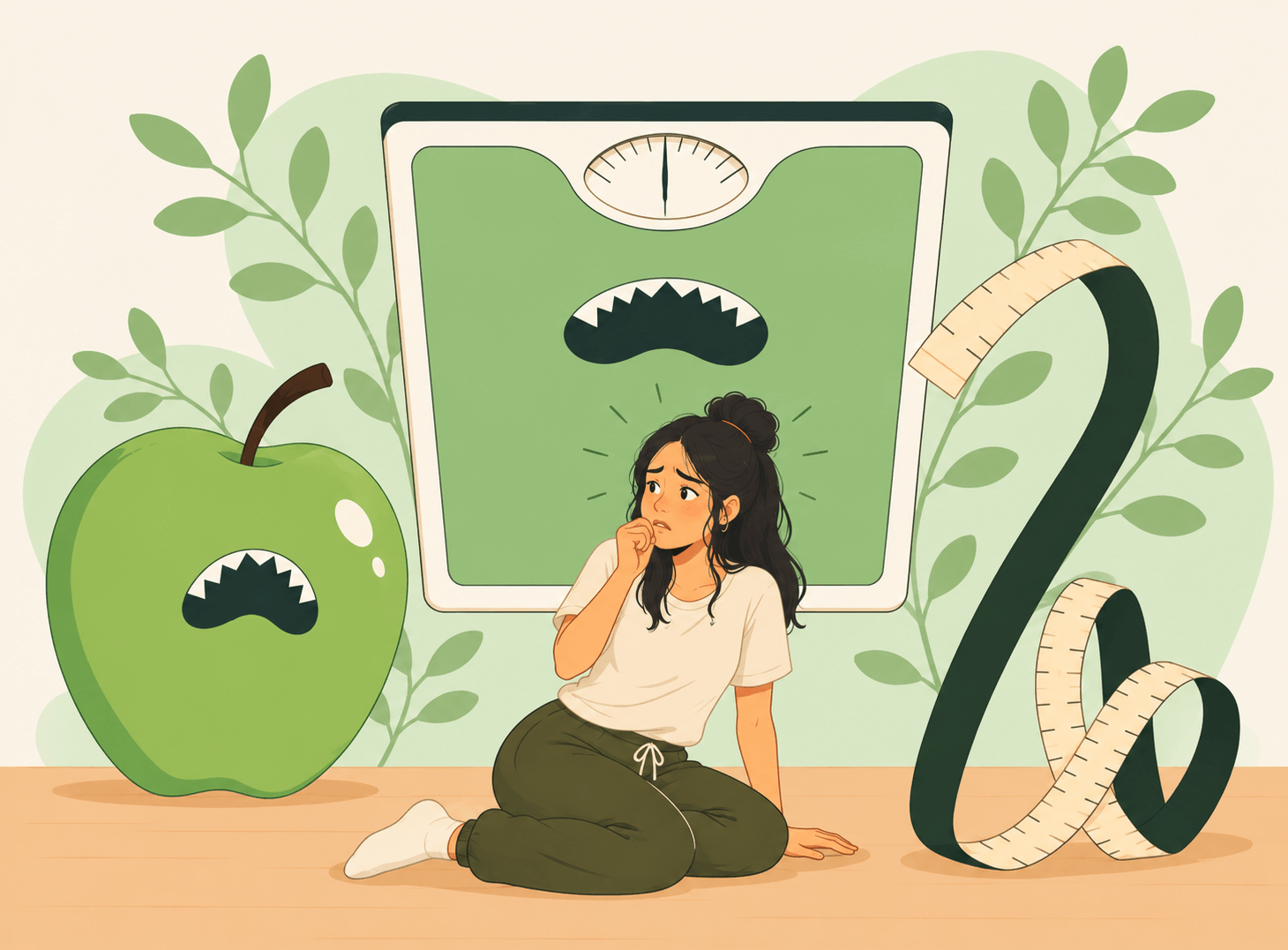
Every meal feels like a mental battle. You find yourself overthinking every bite, feeling guilty after eating, and somehow feeling guilty when you don't eat too. Your self worth seems to rise and fall depending on what you ate or what the number on the scale says, leaving you feeling like you're constantly at war with your own body. You're exhausted from trying so hard to be "good," yet it never feels like enough.
Struggles with food, body image, and self worth often go much deeper than what others can see. If you find yourself stuck in cycles of restriction, purging, comparison, or constant self criticism, therapy can help you understand what’s underneath these patterns.
Together, we’ll work toward building a more compassionate relationship with yourself—one that is not defined by numbers, appearance, or perfectionism. Healing is possible, and you deserve to feel at home in your own body and mind.

What Healing Can Look With Eating Disorder Therapy in Monrovia
More than a number on the scale — Your worth was never meant to be measured by your weight, your appearance, or what you ate today. Together, we'll help you separate who you are from what your eating disorder has convinced you to believe.
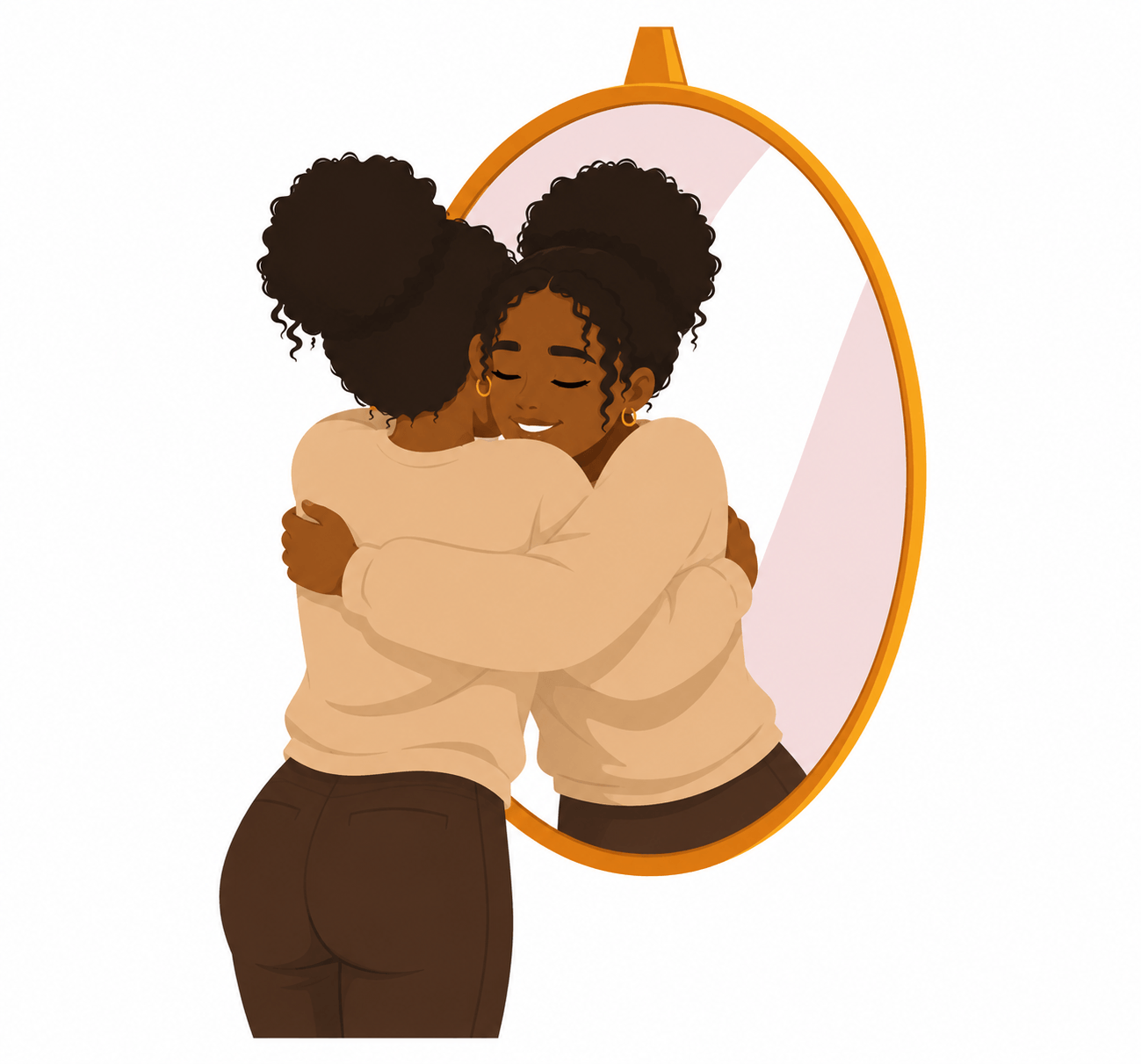
Confidence that doesn't depend on the mirror — Build self-esteem rooted in your values, strengths, and who you are, not what your reflection looks like on any given day.
Food without the guilt trip — Imagine making food choices without negotiating, overanalyzing, or feeling like you have to "earn" your next meal. Recovery makes that possible.
Treat yourself like someone you actually like — Because the compassion you so easily give everyone else? You deserve some of that, too.
A body that feels like home, not a project — Shift from constantly trying to fix your body to learning how to care for it, trust it, and live in it with more peace.
Your worth isn't up for debate — You don't have to prove that you're enough. Together, we'll challenge the beliefs that say otherwise and help you build a relationship with yourself that's based on compassion instead of criticism.
Learn More About Your Eating Disorder Therapist in Monrovia, CA
Maybe it feels like your life has gotten smaller. Nights out, vacations, celebrations, or even grabbing coffee with a friend have become stressful because food and body image seem to be running the show. Instead of being present, you're calculating, worrying, or trying to make the "right" choice. Recovery is about helping you get your life back.
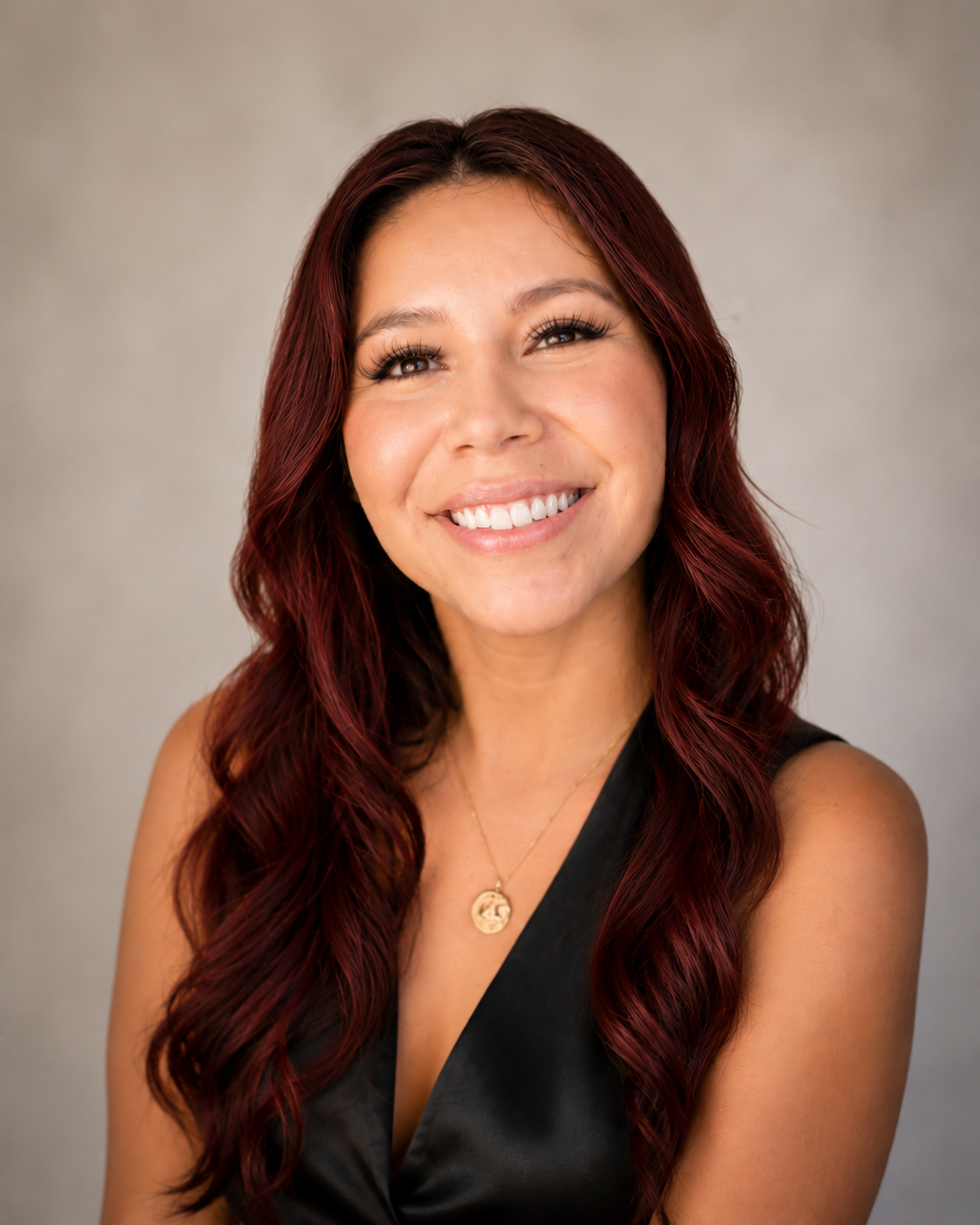
Hi, I’m Miranda and as your eating disorder therapist, my role is to help you look beyond food and understand the deeper patterns that have kept you stuck. Together, we'll gently untangle shame, perfectionism, anxiety, and old survival strategies while building a more compassionate relationship with yourself. Using approaches like EMDR, inner child work, mindfulness, and evidence-based eating disorder treatment, we'll move at a pace that feels safe for your nervous system. My hope is to help you spend less time at war with your body and more time feeling present, connected, and rooted within yourself.
Eating Disorder Therapy FAQ
-
I work with individuals experiencing a range of eating concerns, including disordered eating patterns, chronic dieting, body image distress, and eating disorders such as Anorexia Nervosa, Bulimia Nervosa, and Other Specified Feeding or Eating Disorder (OSFED). I provide outpatient level of care, meaning I work with individuals who are medically stable and appropriate for weekly therapy. If it becomes clear that you would benefit from a higher level of care, I'll help connect you with the resources and support that best meet your needs.
-
While discussing food and body image may be part of our work, therapy is also about understanding the emotions, patterns, and lived experiences underneath those struggles. We’ll look at what’s showing up for you in a way that feels connected to your whole story, not just one piece of it.
We’ll also move at a pace that feels safe for you. You’ll never be forced to go deeper than you’re ready for, and we can always slow down, pause, or shift focus based on what you need in the moment. The goal is to support healing in a way that feels grounded, respectful, and not overwhelming.
-
Yes! I offer virtual eating disorder therapy for women in Monrovia and throughout California. Therapy is tailored to meet you where you are, whether you're struggling with disordered eating, body image, chronic dieting, or low self-esteem. Together, we'll work toward understanding the patterns beneath your relationship with food and your body while building more self-compassion, trust, and flexibility along the way.
-
Yes. Recovery is absolutely possible, though it may not look the same for everyone. Healing is less about reaching a “perfect” place and more about slowly rebuilding a relationship with food, your body, and yourself that feels more flexible, compassionate, and less driven by fear or control.
For many people, it’s not a straight line, and it’s not about doing it “right”—it’s about creating a life where food and your body take up less painful space in your mind over time.
Which Level of Care Is Right for Me?
You may be a good fit for outpatient therapy if you...
☐ Are medically stable
☐ Are able to maintain adequate nutrition with support
☐ Feel that weekly therapy provides an appropriate level of support for your current needs
☐ Can safely manage eating disorder thoughts and behaviors between sessions
☐ Feel safe outside of sessions
☐ Can manage work, school, or daily responsibilities
☐ Are motivated to work toward recovery
☐ Want to improve your relationship with food and your body
-
Best for: Individuals experiencing medical or psychiatric instability that requires immediate medical care.
Hospitalization is designed to stabilize individuals whose health is at immediate risk due to the eating disorder.
-
Best for: Individuals who need 24 hour support in a therapeutic environment but do not require hospital level medical care.
Residential treatment provides around-the-clock care in a live-in setting with a multidisciplinary team that may include therapists, dietitians, physicians, psychiatrists, and nursing staff. The focus is on stabilization, skill building, nutritional rehabilitation, and addressing the underlying emotional causes of the eating disorder.
-
Best for: Individuals who need intensive daily support while remaining medically stable enough to return home each evening.
PHP provides treatment most of the day, typically five to seven days a week. Programs usually include supervised meals, individual therapy, group therapy, nutrition counseling, psychiatric care, and medical monitoring.
-
Best for: Individuals who need more support than weekly therapy but don't require 24 hour care.
IOP offers structured treatment several days per week, often including individual therapy, group therapy, nutrition counseling, meal support, and psychiatric services when needed. It allows you to receive intensive treatment while still living at home.
-
Best for: Individuals who are medically stable and able to manage daily responsibilities while participating in weekly therapy.
Outpatient therapy is often the first step in treatment or a place to continue recovery after completing a higher level of care. Sessions typically occur once a week and focus on understanding the emotional roots of the eating disorder, improving body image, developing healthier coping strategies, and building a more peaceful relationship with food.
How to Start Eating Disorder Therapy in Monrovia, CA
Step 1
Book a consultation call
We'll spend 15 minutes getting to know each other, talking through what you're looking for, and seeing if we're a good fit. Think of it as a no pressure conversation.
Step 2
Schedule your first session
If we decide we're a good fit, we'll find a consistent weekly session time and create a plan for moving forward together.
Step 3
Enter your healing era!
Together, we'll begin understanding the patterns that have been keeping you stuck, helping you feel more grounded, connected, and at home within yourself.